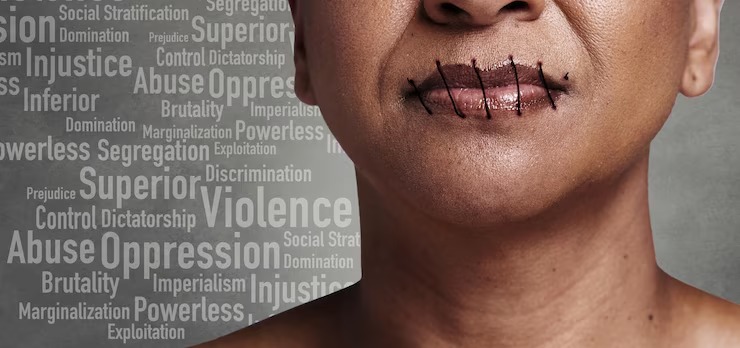
NEW DAWN! Empowering Victim’s Advocacy through the VPA: Our Firm’s Milestone Precedent Setting Case for Victims Counsel in criminal proceedings
The Pre-VPA Era; participation of victims’ counsel in criminal proceedings has for long been limited and restrictive as they could only speak through the prosecutor. We take great pride in announcing that our law firm, made a significant impact in reshaping this landscape. In the case of Richard Ouma Arondo v Republic [2017] eKLR, our Senior Partner represented the victim and successfully heralded the new era Post VPA Era. The court recognized the vital role of victims’ counsel and ruled that they can actively participate in proceedings as they are the mouthpiece of the victims. This landmark decision marked a significant milestone in empowering victims and ensuring their voices are heard in the criminal justice system.
The circumstances leading to this request were that the applicant, along with another person, faced charges of gang rape in Criminal Case. Immediately after plea, the applicant absconded for a period of three years. It took the prosecution a considerable amount of time to apprehend the applicant, resulting in the conclusion of the case against the co-accused. The applicant was eventually arrested and brought before the court three years later.
He was released on a surety bond of Kshs. 100,000/=. At the time of the applicant’s appearance in court, the victim’s counsel, the victim and her mother were unavailable. However, a witness protection officer informed the court that the victim and her mother had been placed under the Witness Protection Program due to threats against their safety by the applicant.
Acting on instructions from Federation of Women Lawyers in Kenya (FIDA-Kenya) where he is a long standing Pro Bono Lawyer, our Senior Partner, David Njoroge, FCIArb, CS, appeared in court as the victim’s counsel. Mr. Njoroge applied for the cancellation of the bond, providing compelling reasons. In a momentous ruling, the trial court allowed the application, canceled the bond, and ordered the applicant’s be remanded in custody during his trial. Consequently, the defence filed an application for review to challenge the trial court’s decision to cancel the bond, citing the involvement of the victim’s counsel, while alleging that the prosecution remained uninvolved.
The applicant’s counsel criticized the DPP for failing to partake in the application, contending that such failure amounted to an abdication of the DPP’s responsibilities under Article 157 of the Constitution. It was further argued that the victim’s counsel had erroneously assumed the role of the DPP. The applicant maintained that the victim’s counsel should have pursued an appeal against the Magistrate’s ruling reinstating bail, instead of applying for its cancellation. Furthermore, it was submitted that Section 9(2) of the VPA has restrictions.
Mr. Njoroge opposed the application by asserting that the VPA has ushered a new dispensation in criminal justice system. He argued that Article 50(7) of the Constitution permits the use of an intermediary to facilitate communication between the complainant or accused and the court. He further contended that Article 2(5) stipulates the application of general principles of international law by courts. Article 68(3) of the Rome Statute allows victims to have legal representation to the extent that the victim’s counsel may question the accused. Sections 4(2)(b) and 9(2) of the VPA, 2014 confer the right of audience upon the victim, which may be exercised by their legal counsel. Moreover, Section 13(a) permits a victim to present evidence that may have been overlooked by the prosecution. Therefore, the victim possesses an unrestricted right to be heard. He relied on various international instruments and precedents in opposing the application and advocating for the necessity of allowing the victim’s voice to be heard at every critical stage at the trial.
Lady Justice F. Muchemi, in upholding the right of the victim to express their views, affirmed that the victim’s counsel played a crucial role in articulating the perspectives and concerns of the victim during the application for cancellation of bond. The court acknowledged that the matter directly impacted the victim and emphasized that the victim’s counsel application did not infringe upon the rights of the applicant nor compromise the principles of a fair and impartial trial, as outlined in Article 50(2) of the Constitution. It further recognized that the powers of the Director of Public Prosecutions (DPP) were not under scrutiny or threat, and that the victim’s counsel acted in accordance with the law when seeking the cancellation of the bond. Consequently, the court dismissed the application.
This case marked a significant milestone in enhancing access to justice for victims and establishing that the victims’ counsel is entitled to actively participate in proceedings, while ensuring the rights of the accused are safeguarded. This exemplifies our law firm’s unwavering dedication to advancing access to justice for victims of criminal offenses. We take great pride in the active involvement of our Senior Partner and celebrate our victory in this precedent setting case on the Victims Protection Act, 2014.